
Back and neck hernia occurs when the discs in the spine shift or press on nerves, causing severe pain and restricted movement. Factors such as prolonged sitting, heavy lifting, poor posture, or age-related degeneration can contribute. Herniated discs can significantly reduce quality of life and limit daily activities.
Strengthen your spine, move freely, and live confidently.
Physiotherapy is one of the most effective and safe approaches for treating back and neck hernia. Exercises targeting the spine and surrounding muscles, manual therapy techniques, and posture correction help reduce pain, improve mobility, and relieve nerve compression symptoms.
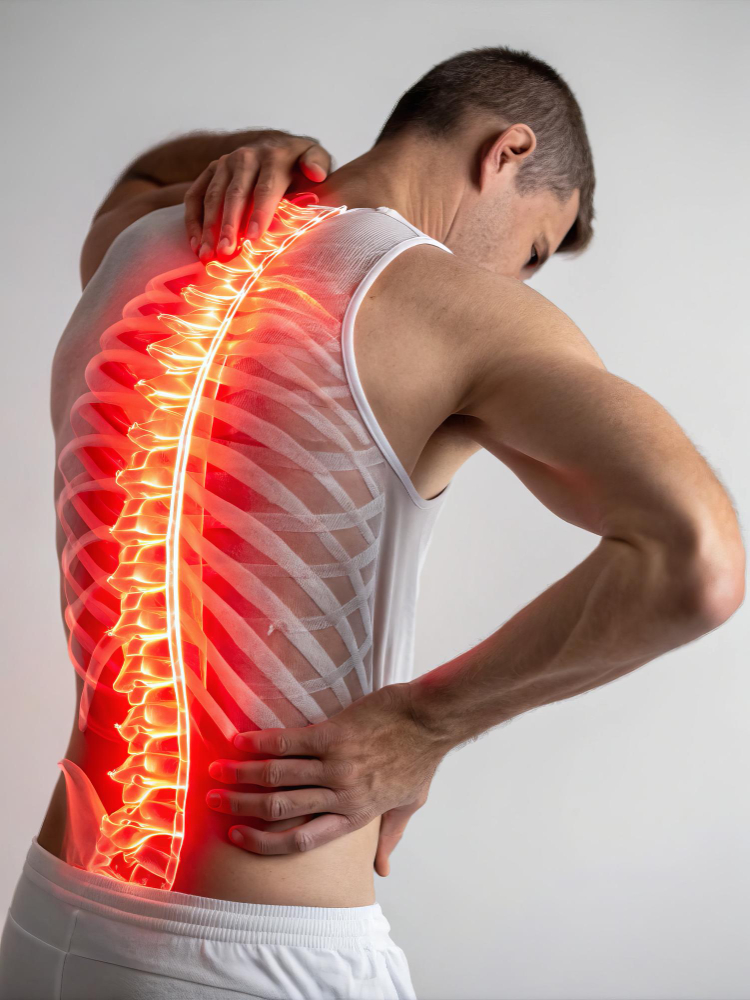
Exercises for back and neck hernia focus on strengthening the muscles supporting the spine and increasing flexibility. Regular practice reduces spinal load and helps prevent recurring issues, allowing patients to lead safer and more active lives.
Manual therapy and osteopathic techniques mobilize joints and soft tissues to relieve pain. Gentle methods applied by a therapist reduce tension in the spine and surrounding structures, minimizing nerve compression. This approach provides relief while supporting overall mobility.
The treatment plan is personalized based on the patient's age, spinal structure, and lifestyle. Each individual's condition differs, so methods are tailored accordingly. This ensures both short-term pain control and long-term protection.
Patients are also provided with home exercises and daily life recommendations. Posture correction, ergonomic adjustments, and conscious movement habits play a critical role in managing back and neck hernia, significantly improving quality of life.
© Fzt. Burak Özkan - 2026